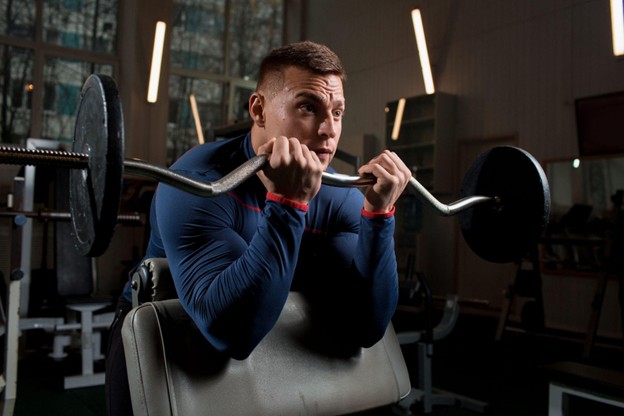
Winter often signals a shift in routine for endurance athletes, and Kevin Morgan of Pittsford NY points toward a strategic opportunity many overlook: using the off-season to build strength that carries into peak performance months.
While spring and summer are typically focused on racing and high-volume training, winter provides a window where athletes can step back from competition and focus on foundational development. Strength training, particularly heavier lifting, becomes a key component during this phase.
Rather than viewing winter as a slowdown, it can be used as a deliberate period to build the physical capacity that supports faster, more efficient performance later in the year.
Why Strength Training Matters for Endurance Athletes
Endurance sports often emphasize mileage, pacing, and aerobic conditioning. However, strength plays a critical role in how efficiently the body moves and how well it handles sustained effort.
Incorporating strength training helps:
- Improve muscular efficiency during repetitive movements
- Increase power output without increasing energy expenditure
- Enhance joint stability and reduce injury risk
- Support better posture and running or cycling mechanics
These benefits translate directly into improved performance once race season begins.
Athletes who neglect strength training may find themselves limited not by endurance but by muscular fatigue and inefficiency.
Winter: The Ideal Time for Heavy Lifting
Heavy lifting requires recovery, consistency, and focus three factors that are often difficult to maintain during peak racing periods. Winter naturally creates the conditions needed for effective strength development.
During the off-season:
- Training schedules are more flexible
- There is less pressure from competition
- Recovery time can be prioritized
- Athletes can tolerate higher strength loads without compromising race performance
This makes winter the ideal time to focus on building raw strength rather than maintaining it.
By increasing load and intensity during this period, athletes can create a stronger physical base that supports future endurance work.
Building a Strength Foundation
A well-structured winter strength program focuses on compound movements that engage multiple muscle groups. These exercises build functional strength that directly applies to athletic performance.
Key movements often include:
- Squats for lower body power and stability
- Deadlifts for posterior chain strength
- Lunges for balance and unilateral control
- Core exercises for stability and force transfer
The goal is not simply to lift heavier weights, but to develop coordinated strength that enhances overall movement efficiency.
Consistency over several weeks or months allows these adaptations to take hold.
Translating Strength Into Speed
One of the biggest advantages of winter strength training is how it translates into improved performance during race season.
Stronger muscles can generate more force with less effort, which leads to:
- Improved running economy
- Greater cycling power output
- Reduced fatigue over long distances
- More efficient energy use
When athletes return to higher-volume endurance training in the spring, this strength foundation allows them to train more effectively.
The result is often noticeable in both speed and endurance.
Reducing Injury Risk Before It Starts
Injury prevention is another major benefit of focusing on strength during the off-season. Weak or imbalanced muscles can lead to overuse injuries once training intensity increases.
Strength training helps address:
- Muscle imbalances that develop during repetitive motion
- Weak stabilizing muscles around joints
- Poor movement patterns that increase strain
- Limited mobility and flexibility
By correcting these issues in the winter, athletes can enter the racing season with a more resilient body.
This proactive approach reduces the likelihood of setbacks during critical training periods.
Structuring a Winter Strength Phase
To maximize results, strength training should follow a structured progression rather than a random approach.
A typical winter phase might include:
- Gradual increases in weight over time
- Lower repetition ranges for strength development
- Adequate rest between sessions
- Integration with lighter endurance work
Balancing strength and endurance is key. While lifting becomes a priority, maintaining a base level of aerobic fitness ensures a smoother transition into spring training.
Athletes should also pay attention to recovery, as heavy lifting places significant demands on the body.
Avoiding Common Mistakes
While winter is ideal for strength training, certain mistakes can limit its effectiveness.
Common pitfalls include:
- Lifting too heavy too quickly without proper progression
- Neglecting form in favor of increasing weight
- Ignoring recovery and rest periods
- Completely abandoning endurance training
Avoiding these mistakes helps ensure that strength gains are sustainable and beneficial.
A measured, consistent approach leads to better long-term results than short bursts of intensity.
Preparing for the Transition to Race Season
As winter comes to an end, athletes should begin transitioning from heavy strength work to more sport-specific training. This does not mean abandoning strength altogether, but rather adjusting the focus.
This transition often involves:
- Reducing lifting volume while maintaining intensity
- Incorporating more dynamic and explosive movements
- Increasing endurance training volume
- Aligning workouts with upcoming race demands
This shift allows athletes to carry their strength gains into performance without compromising speed or endurance.
Making the Off-Season Count
Winter offers a unique opportunity to step away from the pressures of competition and invest in long-term performance. Strength training during this period is not just about lifting heavier weights it is about building a more capable and resilient athlete.
By approaching the off-season with intention, athletes can set themselves up for stronger, more consistent performances when it matters most.
The work done in winter often determines the results seen in spring and beyond, making it one of the most valuable phases in any training cycle.
